How Much Does a Roof Replacement Cost on Long Island?
"How much for a new roof?" is the first question almost every homeowner asks, and the honest answer is that it depends. Long Island is one of the more expensive places in the country to build or repair anything, and roofs are no exception. This guide explains what drives the price of a roof replacement in Suffolk and Nassau County, so you can read a quote with confidence instead of guessing.
For a number tied to your actual house, the only reliable route is an inspection. You can request a free roofing estimate and we will measure, inspect, and put the price in writing.
What Actually Sets the Price
Two houses on the same street can get very different quotes. These are the factors that move the number most:
- Roof size and shape. Price is built on square footage of roof surface, not the size of the floor plan. Steep pitches, many valleys, dormers, and cut-up rooflines take longer and cost more.
- Material. Architectural asphalt shingles are the most common choice on Long Island. Cedar, slate, metal, and flat-roof membranes cost more, and each has different lifespans and installation needs.
- Tear-off. Removing one or two old layers is labor and disposal. Extra layers raise the cost.
- Decking condition. Once the old roof is off, soft or rotted plywood has to be replaced. This is the most common reason a final bill moves from the first estimate, so a good contractor explains how it will be priced before work starts.
- Flashing, vents, and penetrations. Chimneys, skylights, pipe boots, and wall tie-ins all need new flashing. Cutting corners here is how new roofs end up leaking.
- Access and site. Tight driveways, tall houses, and landscaping that needs protecting add time.
Why Long Island Pricing Runs Higher
Labor and disposal costs are higher here than in most of the country, and weather matters too. Salt air near the bays accelerates corrosion of nails and flashing, and wind from Nor’easters tests every installation detail. A roof that is done to a good standard here uses proper underlayment, ice and water protection at the vulnerable edges, and the right fasteners, and that is part of what you are paying for.
Neighborhood rules can also add steps. Some towns and historic or waterfront areas have their own permit and inspection requirements, so ask your contractor who handles that paperwork.
Repair, Patch, or Replace?
Replacing is not always the answer. A roof is a good candidate for repair when:
- Damage is limited to a small area, such as a few lifted shingles or one failed flashing
- The rest of the roof is in good shape and not near the end of its life
- The leak has a clear, fixable source
Replacement usually makes more sense when:
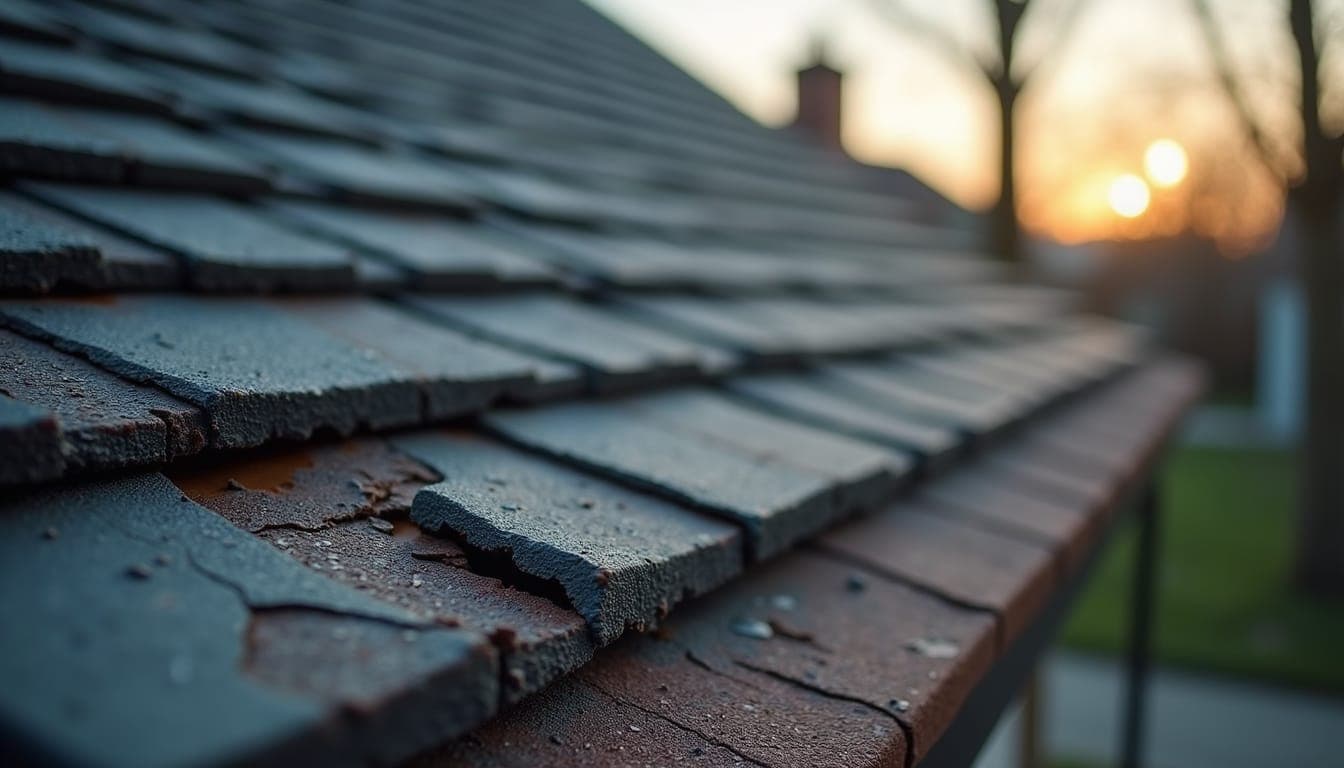
- Shingles are curling, losing granules, or cracking across large areas
- The roof is at or near the end of its expected life
- You have repeated leaks in different places
- Decking is soft in multiple spots
If you only have a leak, start with roofing repair before assuming a full replacement.
How to Compare Roofing Quotes
Do not compare on the bottom line alone. When you have two or three quotes, line them up on these points:
- Scope in writing. Tear-off, underlayment, flashing, vents, and cleanup should all be listed.
- Material details. Brand, product line, and color, not just "architectural shingles."
- Decking policy. How is rotted wood priced if it is found?
- Licensing and insurance. Ask for proof of both before work begins. We have been licensed and insured since 2010 and will send copies on request.
- Warranty. Ask what is covered on materials and on workmanship, and for how long.
- Payment schedule. A reasonable deposit and payment tied to progress is normal. Large payments upfront are a warning sign.
A quote that is far below the others usually leaves something out. Find out what.
When to Replace Before It Becomes an Emergency
Planned replacement is almost always cheaper than emergency work after a leak has soaked insulation and ceilings. If your roof is aging, an inspection in the fall lets you plan the work for good weather instead of reacting after a storm. If you are already dealing with storm damage, see our guide to what to do after storm damage to your roof.
Get a Written Quote for Your Home
We are a Hampton Bays-based crew working across Suffolk and Nassau County. A free inspection gets you a clear written quote that spells out the work, the materials, and how decking is handled. Request your free estimate or call us and we will schedule a visit.