How to Prepare Your Roof for Winter on Long Island
Long Island winters mix freezing rain, heavy wet snow, and coastal wind. Small roof problems that look harmless in October become active leaks when ice dams form or a Nor’easter peels a weak shingle. Preparing early is simpler than emergency tarp work in January. Here’s a clear checklist homeowners in Hampton Bays, Southampton, and Flanders can follow—and when to bring in roofing pros.
Why Winter Prep Matters Here
East End weather is harder on roofs than many inland areas:
-
Salt air and humidity accelerate fastener and flashing corrosion
-
Strong bay and ocean winds lift aging shingles at the edges and ridges
-
Freeze-thaw cycles open tiny cracks in flashing sealant and chimney crowns
-
Ice dams form when attic heat melts snow that refreezes at cold eaves
Catching weak spots in fall gives you time for repairs while crews are still available and temperatures still allow shingles and sealants to bond properly.
Start With a Safe Ground-Level Inspection
You do not need to climb the roof to spot many issues. From the yard and upstairs windows, look for:
-
Missing, cracked, or cupped shingles
-
Granules collecting in gutters or at downspout exits
-
Sagging or overflowing gutters after a rain
-
Exposed nail heads or lifted flashing along walls and valleys
-
Daylight or damp spots in the attic after a storm
-
Stains on ceilings near skylights, chimneys, or exterior walls
Photograph anything suspicious. Those photos help a contractor quote accurately and support an insurance claim if a winter storm makes things worse.
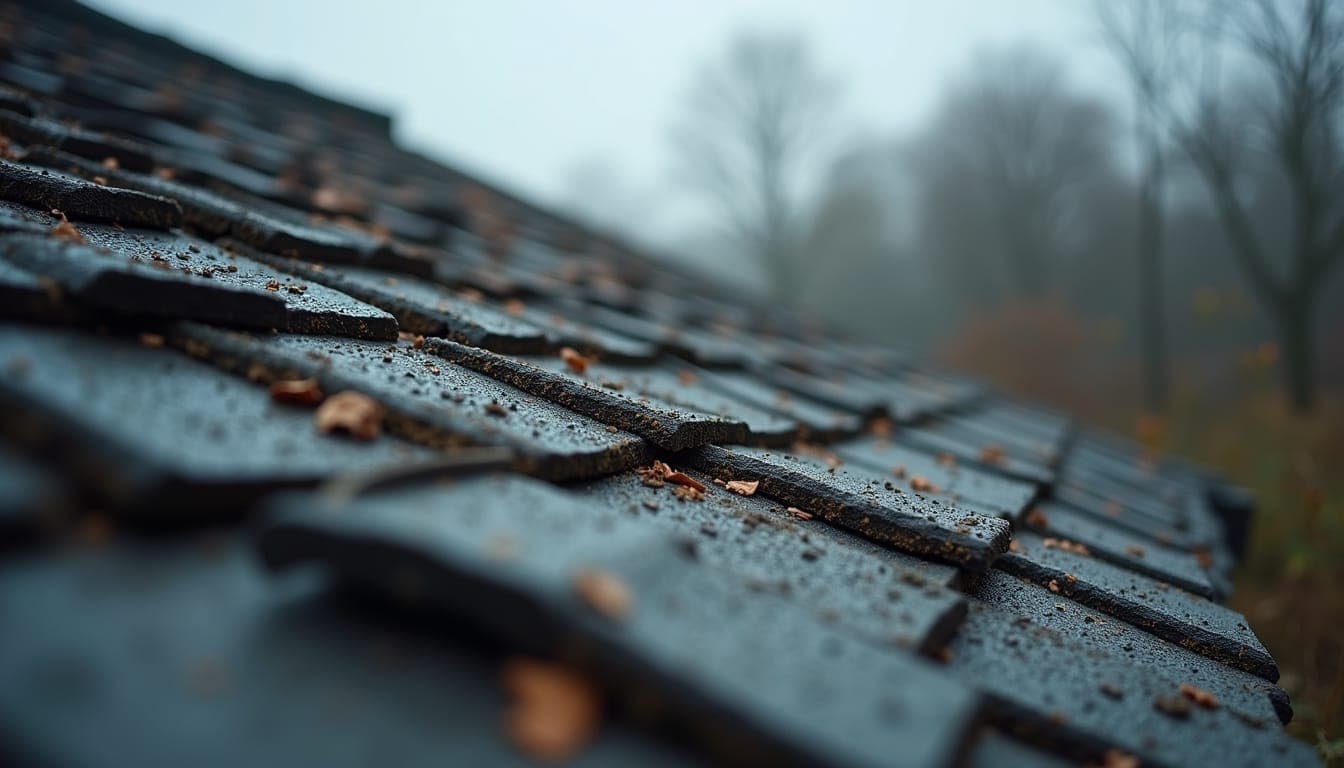
Loose or missing shingles are easier—and safer—to fix before ice and high winds arrive
Clear Gutters and Downspouts Before the Freeze
Clogged gutters are a leading cause of ice dams. Water that cannot drain freezes at the eaves, backs up under shingles, and finds its way indoors.
-
Remove leaves and pine needles from gutters and downspouts
-
Confirm downspouts discharge several feet away from the foundation
-
Repair separated joints and sagging hangers
-
Consider gutter guards if nearby trees dump heavy debris each fall
Gutters and roofs work as one system. If you already need gutter repair, schedule it with your roof check so both are winter-ready.
Check Flashings, Chimneys, and Skylights
Most winter leaks start where the roof meets something else—not in the middle of a clean shingle field.
-
Step flashing and counter flashing at sidewalls and chimneys should lie flat, with intact sealant where appropriate
-
Chimney crowns and caps should keep water out of the flue (a missing cap is an easy winter fix)
-
Skylight curbs need continuous flashing; fogged glass is a separate issue from a wet drywall stain
-
Pipe boots crack with age; a brittle rubber boot is a common January drip
If you see daylight around a pipe or soft decking near a chimney, do not wait for the first freeze. Those are priority repairs.
Attic Ventilation and Insulation Cut Ice Dam Risk
Ice dams are as much an attic problem as a roofing problem. Warm air escaping into a poorly insulated attic melts snow on the roof deck; the meltwater refreezes at the cold overhang.
Helpful checks before winter:
-
Insulation depth is even, especially over exterior walls
-
Baffles keep soffit vents open so cold air can enter
-
Bathroom and kitchen fans vent outdoors, not into the attic
-
No large gaps around recessed lights or attic hatches dumping heat upward
A roofing crew can flag ventilation issues during an inspection even if the shingles themselves still have years left.
What Professional Winter Prep Usually Includes
A fall roof inspection from a local contractor typically covers:
-
Shingle condition, ridge caps, and nail pops
-
Valley, wall, and chimney flashing
-
Vent boots, skylights, and drip edge
-
Gutter flow and fascia condition
-
Visible decking issues from the attic when access allows
-
A written list of must-fix items vs. items that can wait until spring
Minor repairs—replacing a few shingles, resealing a boot, tightening a ridge—are far cheaper in November than after water ruins insulation and drywall.
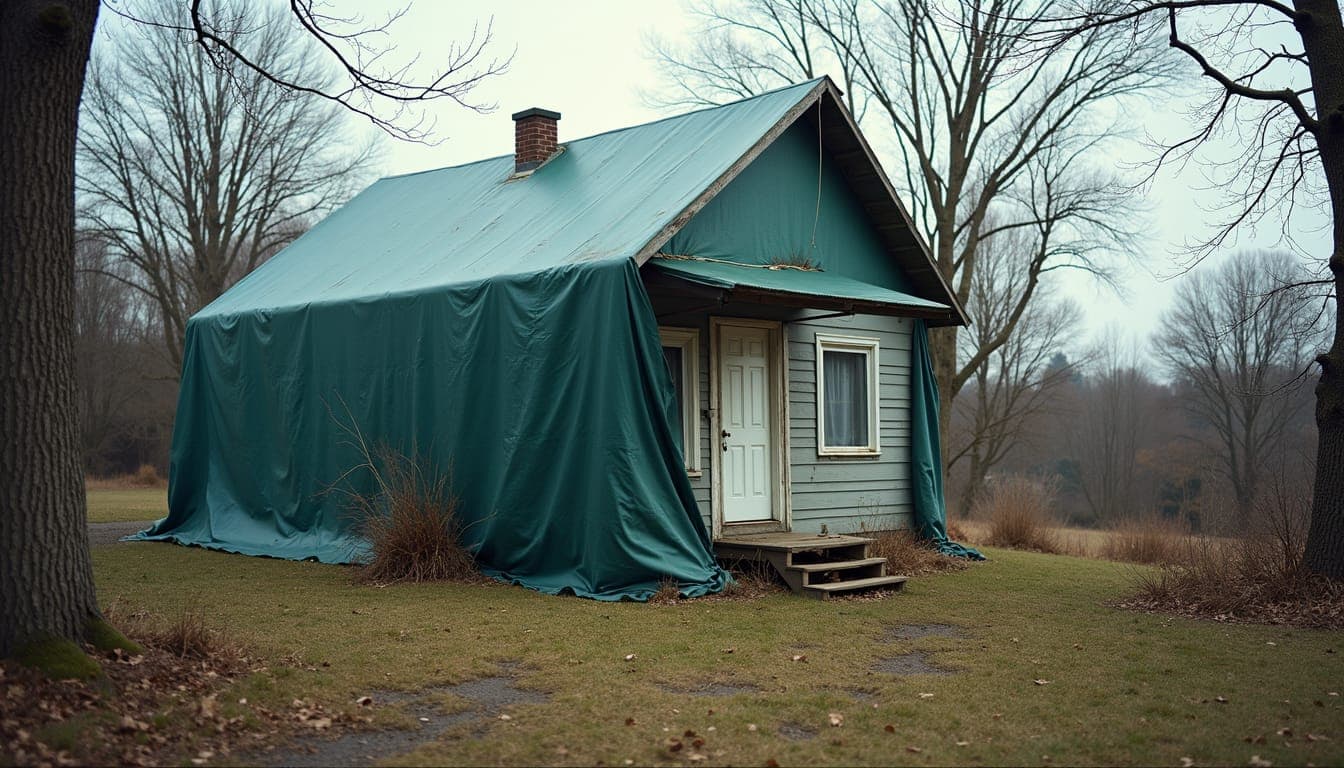
If a storm hits before repairs are finished, temporary protection limits interior damage
A Simple Pre-Winter Roof Checklist
Use this as a quick punch list:
-
Walk the property after a hard rain and note drips or overflows
-
Clean gutters and test downspouts with a hose
-
Trim branches that could scrape shingles in a windstorm
-
Look at the attic with a flashlight on a cold morning for frost or damp sheathing
-
Schedule repairs for any active leak, soft decking, or missing shingles
-
Know who you will call for emergency roof work if a storm hits overnight
Get Ahead of the First Hard Freeze
Winter roof prep is mostly about water control: sound shingles, tight flashings, clear gutters, and a cooler, well-ventilated attic. Homes on the East End that handle those basics before the season starts see fewer emergency calls and fewer ceiling stains in March.
If you want a professional inspection or repairs before winter weather settles in, request a visit for roofing service. A short fall checkup is one of the best ways to keep Long Island roofs tight through ice, wind, and wet snow.