Why Your Chimney Needs a Cap: Keeping Water and Wildlife Out
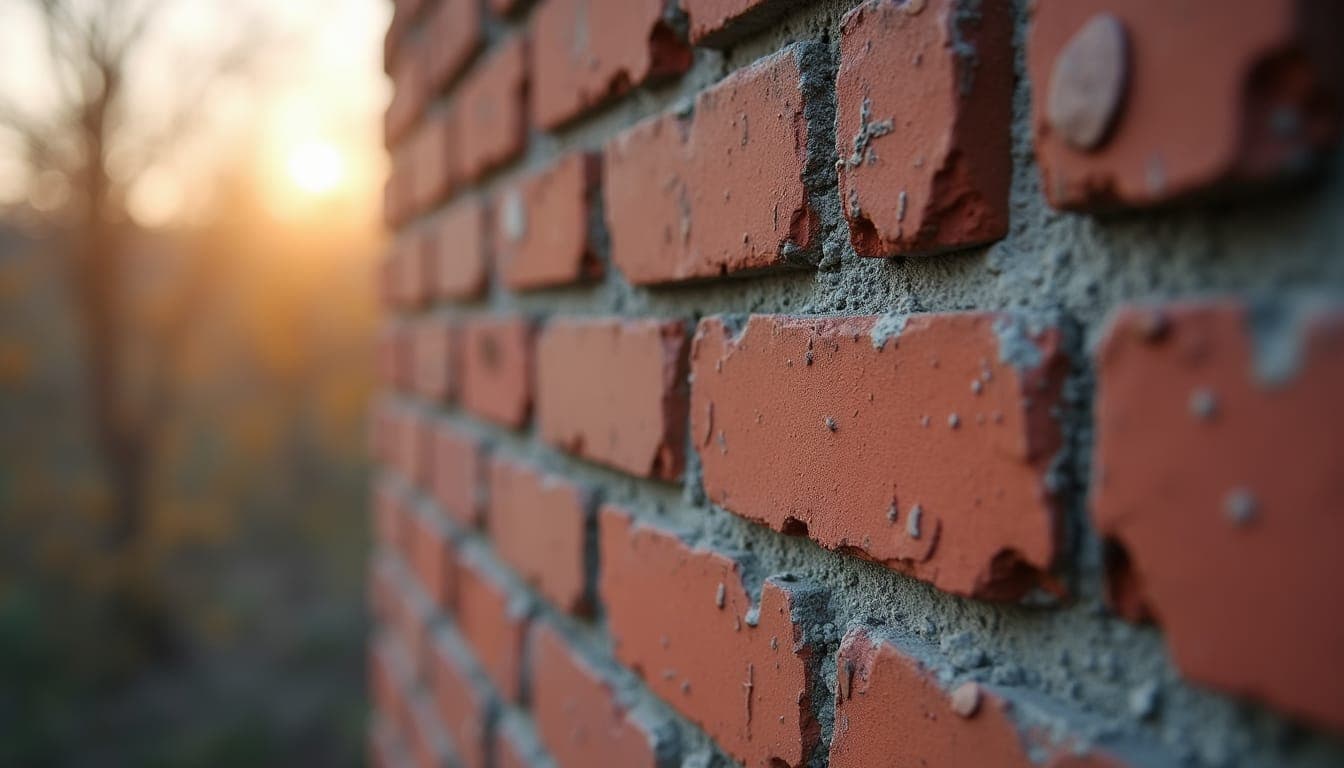
A chimney without a cap is an open doorway for rain, leaves, nesting animals, and debris. On Long Island, where Nor’easters and coastal humidity put constant stress on masonry, that opening can turn into stained ceilings, rusted dampers, and expensive flue repairs. This guide explains what a chimney cap does, how to choose one, and when it’s time to call for chimney repair.
What a Chimney Cap Actually Does
A chimney cap sits on top of the flue and usually includes a lid, mesh sides, and a mounting base. Together those parts:
-
Keep rain and snow out of the flue so water does not soak the liner or firebox
-
Block squirrels, raccoons, and birds from nesting inside
-
Catch leaves and twigs before they create a fire hazard
-
Reduce downdrafts that push smoke back into living spaces
-
Slow mortar and crown wear by limiting freeze-thaw cycles from standing water
Caps are a small part of the chimney assembly, but they protect everything below them. Skipping one is one of the most common (and preventable) causes of chimney water damage we see.
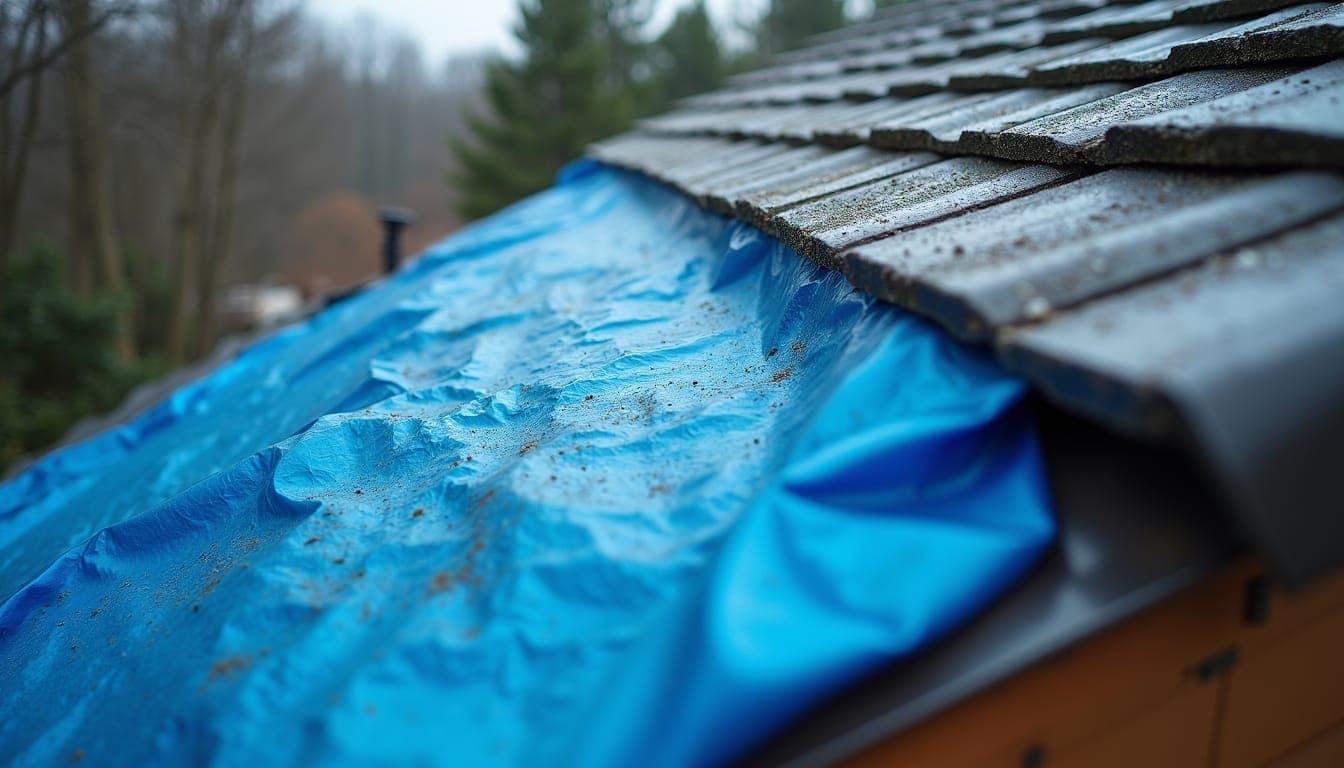
Exposed brick and mortar last longer when the flue is capped and the crown is sealed
Types of Chimney Caps Worth Considering
Not every cap fits every chimney. Match the style to your flue and fuel type:
-
Stainless steel single-flue caps
Durable, corrosion-resistant, and the most common choice for masonry chimneys with one flue.
-
Multi-flue caps
Cover several flues under one lid when a chimney serves more than one fireplace or appliance.
-
Copper caps
Longer lasting and often chosen for curb appeal on higher-end homes. Cost more upfront.
-
Chase covers with caps
Prefab metal chimneys use a chase cover across the top of the chase, plus a cap over the flue. A rusted chase cover is a frequent leak source.
-
Custom-fabricated caps
Needed for odd flue shapes, oversized openings, or chimneys that sit close to the roof edge.
Mesh size matters too. Screening should keep animals out without clogging so quickly that smoke cannot escape. A professional can size the mesh for wood-burning vs. gas appliances.
Signs Your Cap Is Missing, Loose, or Failing
Walk the yard and look up after storms, or ask your roofing or chimney tech to check during an inspection. Common red flags include:
-
No lid visible on top of the flue
-
Rust stains running down the chimney face
-
A tilted, rattling, or half-detached cap after high winds
-
Birds or squirrels around the chimney opening
-
Water stains on the ceiling near the fireplace
-
A musty smell when the damper is open
-
Leaves or twigs falling into the firebox
If you already have water near the fireplace, the problem may also involve flashing, the crown, or worn mortar—not only the cap. A full inspection avoids fixing one piece while leaving the leak path open.
How Much Does a Chimney Cap Cost?
Pricing depends on material, flue count, and how hard the chimney is to reach:
-
Basic stainless single-flue cap: often a few hundred dollars installed
-
Copper or custom caps: higher, especially on tall or steep roofs
-
Chase cover replacement: can add significant cost on prefab chimneys when the whole top panel is rusted through
-
Access: two-story homes, steep pitches, and chimneys far from a safe ladder position raise labor
Caps are inexpensive compared with repairing a water-damaged flue liner or rebuilding a deteriorated crown. Most homeowners treat a solid cap as preventive maintenance, not a luxury.
Cap Installation and What Should Happen With It
A proper install is more than setting a lid on the flue:
-
Measure the flue opening accurately so the cap seats tightly.
-
Secure the base so wind cannot lift it (screws into the flue tile or a band clamp, depending on design).
-
Check the crown for cracks and seal or rebuild it if water can pool around the cap.
-
Inspect step and counter flashing where the chimney meets the roof.
-
Confirm the damper and liner are clear after any nesting debris is removed.
Bundling a new cap with crown repair or repointing is common when mortar is already failing. Fixing those together saves a second trip up the roof.
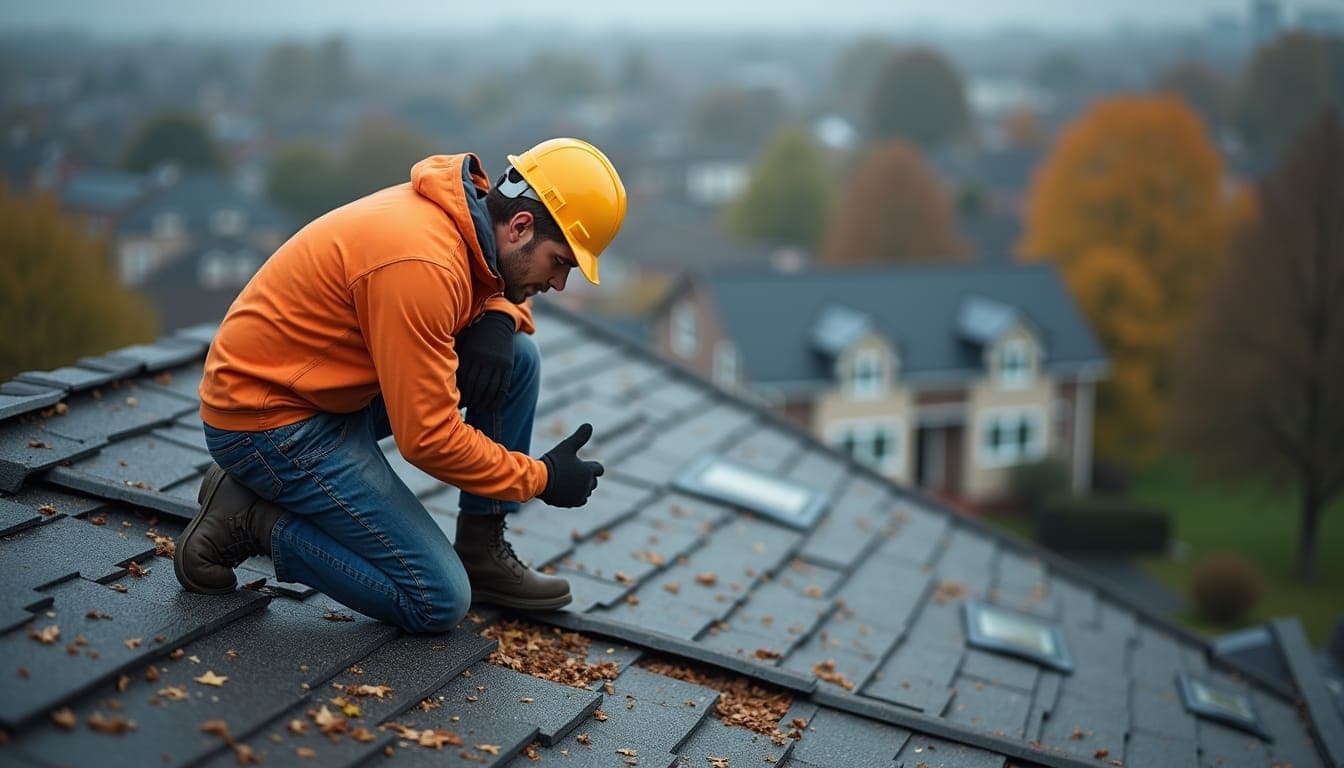
Chimney work is often checked during the same visit as a roof inspection
Simple Habits That Keep a Cap Working
-
Have the chimney and cap checked when you schedule seasonal roof or gutter service.
-
Burn only dry, seasoned wood so creosote buildup stays manageable.
-
Clear nearby overhanging branches that drop debris onto the cap.
-
Do not ignore animal noises in the flue—nesting can block the mesh and the draft.
-
Replace a rusted or bent cap instead of wiring it back on as a temporary fix.
Protect the Flue Before the Next Storm
A chimney cap is one of the highest-value, lowest-cost upgrades for a masonry or prefab chimney. It keeps water and wildlife out, supports a cleaner draft, and helps the crown and mortar last longer. If your cap is missing, loose, or rusted through, replacing it now is far cheaper than repairing water damage later.
For inspection, caps, chase covers, flashing, and masonry repair across Hampton Bays, Southampton, and Flanders, reach out for chimney service from a crew that works these roofs year-round. A quick look at the top of the stack can spare you a wet ceiling after the next coastal storm.