
Steps to Take After a Storm Damages Your Roof

Storms can wreak havoc on your home, and your roof often bears the brunt of the damage. After experiencing a storm, it is crucial to assess the situation and take appropriate steps to ensure your roof is safe and secure. Here’s what you need to do to address storm damage to your roof effectively.
Assessing the Storm Damage Roof
The first step after a storm is to assess the damage to your roof. This assessment will help determine whether repairs are necessary or if a replacement is needed. Safety should always be your priority, so before you climb onto your roof, check from the ground for visible signs of damage. Look for:
Missing shingles
Cracked or broken tiles
Dented areas (especially if you have metal roofing)
Gaps or holes
Debris that may have lodged on your roof
If you're unsure about climbing onto the roof, it's best to hire a professional. They have the experience to safely inspect your roof without risking injury.

Documenting the Damage
Once you have assessed the roof, the next important step is to document the damage. This documentation will be crucial for your insurance claims process. Here’s how to effectively document the damage:
Take Photos: Capture clear images of all damaged areas. These should include close-ups of broken shingles and wide-angle views of the entire roof showing the areas of concern.
Write Notes: Note any specific issues you identified during your inspection. Include details such as the type of damage, location on the roof, and the time when you noticed it.
Contact Your Insurance: Call your homeowner's insurance to report the damage. Use the documents and notes you collected to support your claim.
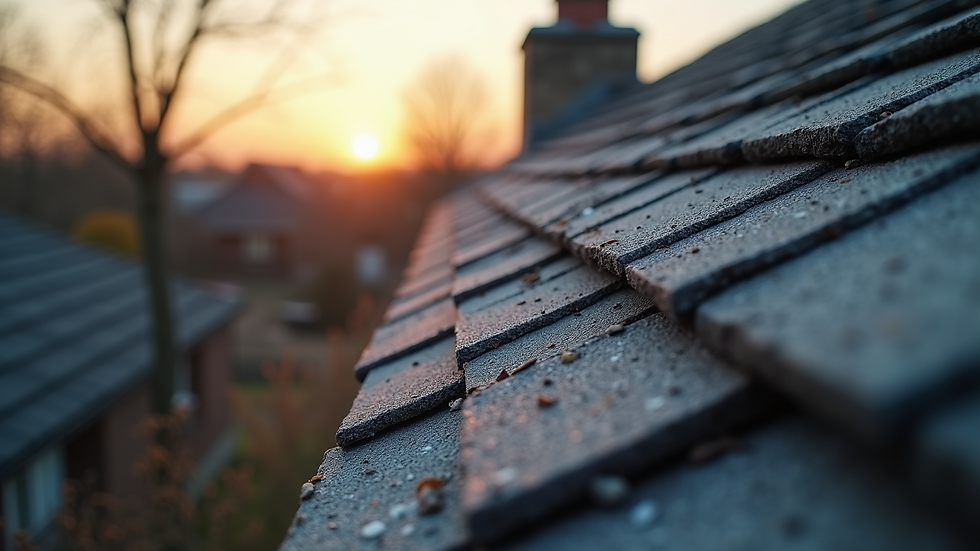
Contacting a Roofing Professional
After documenting the damage, your next step is to contact a professional roofing contractor. A qualified roofing expert can assess the extent of the damage and provide an estimate for repairs. Here’s what to consider when choosing a contractor:
Experience: Look for a contractor with extensive experience handling storm damage roofing repair. Check reviews and request references.
Licensing and Insurance: Ensure that the roofing contractor holds the necessary licenses and carries liability insurance.
Get Multiple Estimates: It’s wise to get quotes from at least three different contractors to compare costs and services provided.
A professional can quickly determine the best course of action for your roof and help you navigate the process efficiently.
Securing Your Property
While waiting for repairs, it’s important to secure your property to prevent further damage. Here are a few ways to do so:
Cover Exposed Areas: Use tarps to cover exposed areas of your roof. Make sure they are secured well to stay in place during wind and rain.
Clear Debris: Remove any debris such as branches or leaves that could cause additional harm to your roof or gutters.
Check Interior Damage: Inspect your attics and ceilings for leaks or water damage. Any signs of water intrusion should be addressed immediately to prevent mold growth.

Navigating the Insurance Claims Process
Once you have your assessments, documentation, and estimates ready, it’s time to navigate the insurance claims process. Here’s how to do it effectively:
Understand Your Coverage: Familiarize yourself with your homeowner's policy to know what is covered and what isn’t.
File the Claim: Provide your insurance company with all documentation, including photos and estimates from contractors.
Meet with the Adjuster: An insurance adjuster will come to evaluate the damage. Be present during this evaluation to answer any questions and provide additional information if needed.
Keep Track of Everything: Maintain records of all communication with your insurance company. Document dates, names, and details of conversations.
Following these steps can help streamline a potentially overwhelming process and ensure you receive the compensation you deserve.
Planning for Repairs
Once your insurance claim is approved, you can plan for repairs to your storm-damaged roof. Here’s what to keep in mind:
Schedule Repairs Promptly: Depending on the extent of the damage, it is important to schedule repairs as soon as possible. Delaying repairs can lead to further complications.
Select Quality Materials: Discuss with your contractor the best materials for your roof. Don’t compromise on quality to save money; this could lead to more expenses down the line.
Stay Informed: Stay in communication with your contractor throughout the repair process. This ensures that you are aware of any changes or issues that arise.
By taking the steps to repair your roof promptly and properly, you can safeguard your home against future storms and extend the life of your roofing system.
Final Thoughts on Storm Damage Roof Repair
Dealing with storm damage to your roof can be stressful, but following these steps can help make the process manageable. It’s essential to act quickly, document thoroughly, and work with knowledgeable professionals to ensure your roof is restored effectively. Should you need assistance with storm damage roofing repair, make sure to consult with experienced professionals to get your roof back in excellent condition.
By being proactive and well-informed, you can protect your home and your family from the lasting effects of storm damage.


Comments