
Is Chimney Crown Repair Necessary?

A small crack at the top of a chimney does not look like an emergency. That is exactly why so many homeowners put it off. If you are asking, is chimney crown repair necessary, the short answer is often yes - especially when that crown is already letting water into the chimney structure.
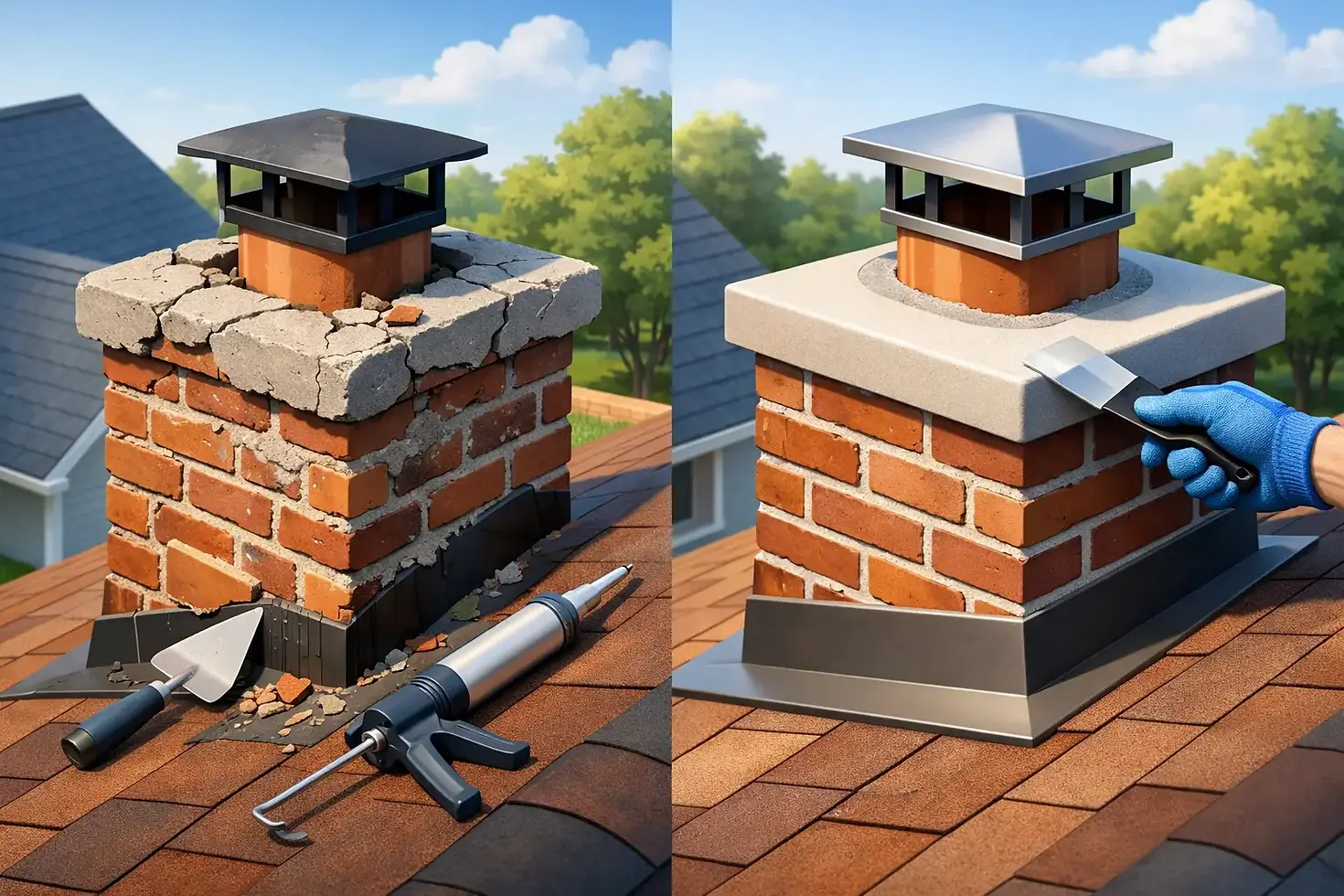
The chimney crown is the concrete or mortar surface at the very top of the chimney. Its job is simple but critical: shed water away from the flue and masonry below. When that surface cracks, chips, or pulls apart, moisture starts working into the brick, mortar joints, and liner area. On Long Island, where wind-driven rain, freeze-thaw cycles, snow, and coastal moisture all put exterior materials under stress, that damage can move faster than many homeowners expect.
Is chimney crown repair necessary for every crack?
Not every crown problem means a full rebuild, but visible damage should never be ignored. Hairline cracks can sometimes be sealed or repaired before they turn into major structural issues. Wider cracks, missing sections, soft mortar, or signs of water staining around the chimney usually mean the crown is no longer doing its job.
The key point is that chimney crown damage rarely stays isolated. Water gets in from the top, then spreads downward. What starts as a repair to the crown can turn into repointing work, brick replacement, flashing repair, or interior leak damage if left alone.
That is why the better question is not just whether repair is necessary, but whether early repair can prevent more expensive exterior work later. In many cases, it can.
What a chimney crown actually protects
Homeowners sometimes confuse the chimney crown with the chimney cap. They are not the same thing. The cap is typically a metal cover that helps keep out rain, animals, and debris through the flue opening. The crown is the solid top surface that covers the chimney itself around that opening.
A properly built crown has a slight slope so water runs off instead of sitting on top. It should also extend beyond the chimney edges with a drip edge that helps direct water away from the masonry face. When the crown is flat, cracked, or poorly formed, water can pool and seep into the structure.
That moisture exposure can lead to several problems. Brick can absorb water and begin to spall. Mortar joints can deteriorate. Freeze-thaw expansion can widen small defects into larger cracks. If the flue liner or surrounding components are affected, the issue may go beyond cosmetic damage and turn into a safety concern.
Signs your chimney crown needs attention
Some crown issues are easy to spot from the ground, while others show up as symptoms elsewhere. If you notice pieces of concrete or mortar near the base of the chimney, that can point to crown deterioration above. Water stains on ceilings or walls near the fireplace can also be part of the picture, especially when the roof and flashing have already been ruled out.
Other common warning signs include cracked masonry at the top courses of brick, white staining called efflorescence, rust on the damper or firebox components, and loose mortar joints. In more advanced cases, the chimney may start leaning or showing broader structural movement, though by that point the repair scope is usually much larger than just the crown.
A professional inspection matters here because chimney leaks are often misdiagnosed. Homeowners may assume the roof is the problem when the actual entry point is at the chimney top. The reverse can also happen. The right repair depends on identifying where water is getting in and how far the damage has spread.
When repair is enough and when replacement makes more sense
This is where the answer depends on condition. If the chimney crown has minor surface cracks and the structure underneath is still sound, repair is often the practical option. A contractor may seal the cracks, apply a crown coating, or rebuild only the damaged top layer.
If the crown is badly deteriorated, missing large sections, separating from the flue, or was built incorrectly in the first place, replacement is often the better long-term choice. A patch over failing material may hold for a short time, but it usually does not solve the underlying problem.
For homeowners, the trade-off is simple. A smaller repair usually costs less now, but only makes sense if the crown still has enough integrity to perform. A proper rebuild costs more upfront, but it can stop the cycle of repeat leaks and recurring patch jobs.
Why delaying chimney crown repair gets expensive
Water is patient. Once it finds a path into exterior materials, it keeps using it. That is why crown problems have a habit of expanding into other systems.
Moisture from the top of the chimney can damage bricks, mortar, the flue liner, nearby roofing materials, and sometimes interior finishes. During winter, trapped water freezes and expands, which makes cracks larger. During storms, wind-driven rain keeps feeding the same weak points. By the time a homeowner sees clear interior evidence, the exterior damage may already be well advanced.
For homes in Suffolk and Nassau County, seasonal weather adds pressure. Summer humidity, coastal air, heavy rain, and winter freezing all work against masonry that is already compromised. The longer the crown stays open to the elements, the higher the chance that a relatively focused repair turns into a broader chimney restoration.
Is chimney crown repair necessary if there is no active leak?
Yes, it can be. Waiting for an active interior leak is not a good standard for exterior repair. A chimney crown can be failing long before water shows up inside the home.
Exterior systems are supposed to stop moisture before it reaches living spaces. Once you can see indoor damage, the problem has already moved past the first line of defense. If an inspection shows cracks, separation, or water wear at the chimney crown, repair may be necessary even without visible interior leaking.
This is the same logic homeowners use with roof maintenance. You do not wait for a major ceiling stain to replace damaged flashing or missing shingles. Chimney crowns deserve the same practical approach.
The value of a professional inspection
A chimney crown is not a good place for guesswork. From the ground, minor and major damage can look similar. Some crowns only need sealing. Others need to be rebuilt with proper slope and overhang. In some cases, what looks like crown failure is actually tied to flashing issues, cap failure, or wider masonry deterioration.
A professional inspection helps determine the true condition of the crown, the surrounding brickwork, and the connection points where the chimney meets the roof. That matters because durable repairs depend on the whole assembly working together, not just one surface being patched.
For homeowners, this also helps with budgeting. Instead of reacting to recurring leaks one season at a time, you get a clearer picture of what needs immediate attention and what can be planned.
What homeowners should do next
If you have noticed cracking at the top of the chimney, water signs near the fireplace, or crumbling masonry, do not assume it is minor. Chimney crown damage is one of those problems that often looks small until moisture has had time to spread.
The practical next step is to have the chimney inspected and repair the crown before the damage moves into surrounding masonry or roofing components. Proper Construction Corp works with homeowners across Suffolk and Nassau County on exterior protection issues that need clear answers and durable repairs. If your chimney is showing signs of wear, call for a free estimate and get ahead of the leak before it becomes a larger project.
A sound chimney crown does not get much attention when it is working, and that is the point. It quietly protects everything below it.


Comments